Metabolic Bone Disease (MBD) is the most common serious illness in captive reptiles — and one of the most preventable. It is not a single disease but a group of disorders caused by the body running out of usable calcium, which leaves bones soft, weak, and deformed. The tragedy is that almost every case traces back to a husbandry gap the keeper could have closed.
What is actually going wrong
Calcium does far more than build bone — it runs muscles, nerves, and the heart. When a reptile does not get enough usable calcium, its body strips calcium out of its own skeleton to keep those systems alive. Bones become rubbery and fracture-prone, and the damage is often permanent.
Three things have to line up for a reptile to use calcium at all:
- Calcium in the diet, in the right amount.
- UVB light, so the animal can make vitamin D3 and absorb that calcium.
- Correct temperatures, so it can digest and metabolise in the first place.
Miss any one and the others can’t compensate.
The common causes
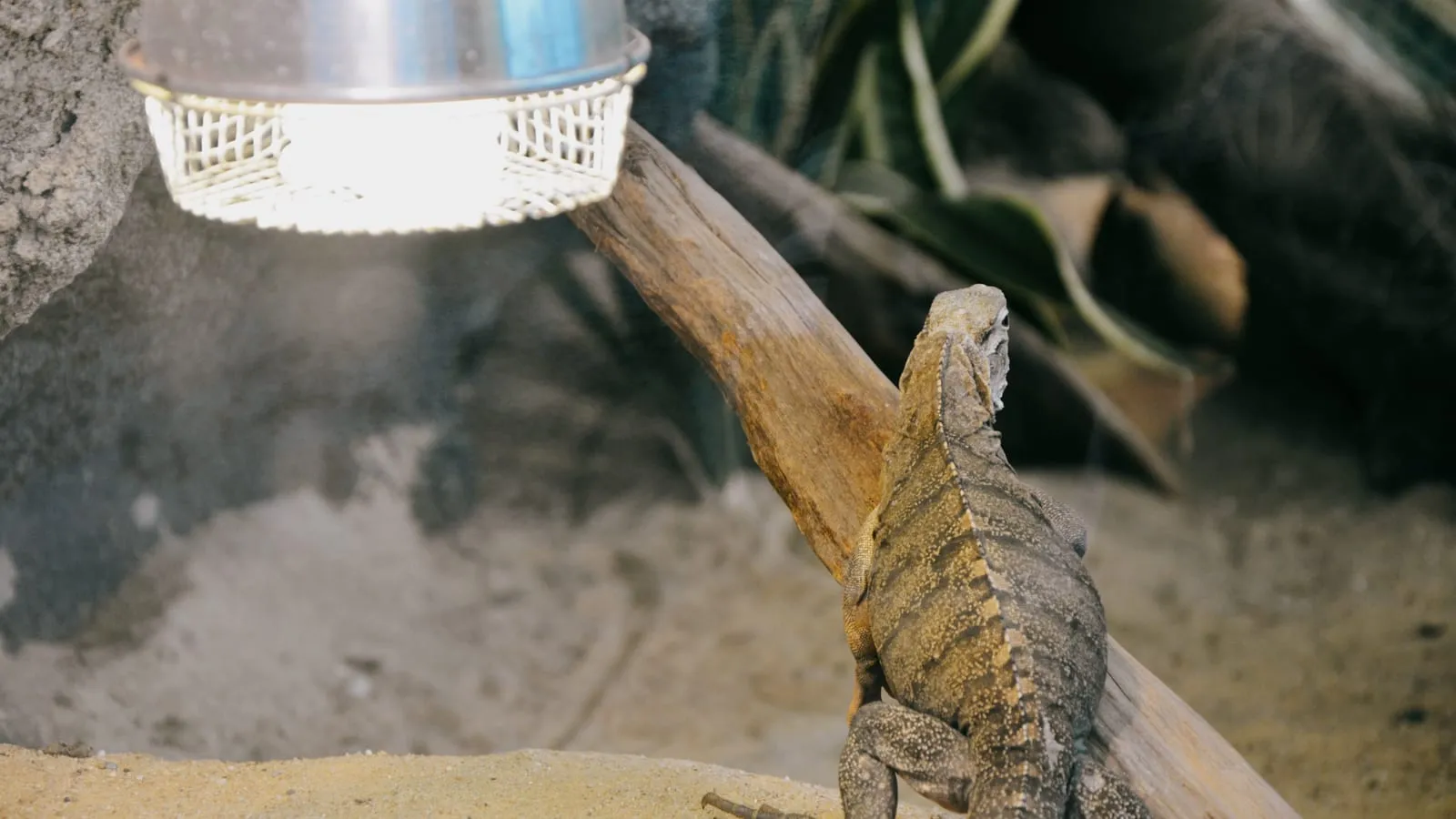
- No or weak UVB. The biggest one. Bulbs that are too old, behind glass or mesh that filters UVB, or simply never provided. UVB output fades long before the bulb stops glowing — replace tubes every 12 months.
- Calcium-poor diet or a bad calcium-to-phosphorus ratio. Reptiles need roughly 2:1 calcium to phosphorus; feeder insects are the opposite, which is why dusting and gut-loading matter.
- Oxalate-heavy greens (spinach, beet greens) that bind calcium and carry it straight out of the body.
- Wrong temperatures, so the animal can’t digest and process nutrients.
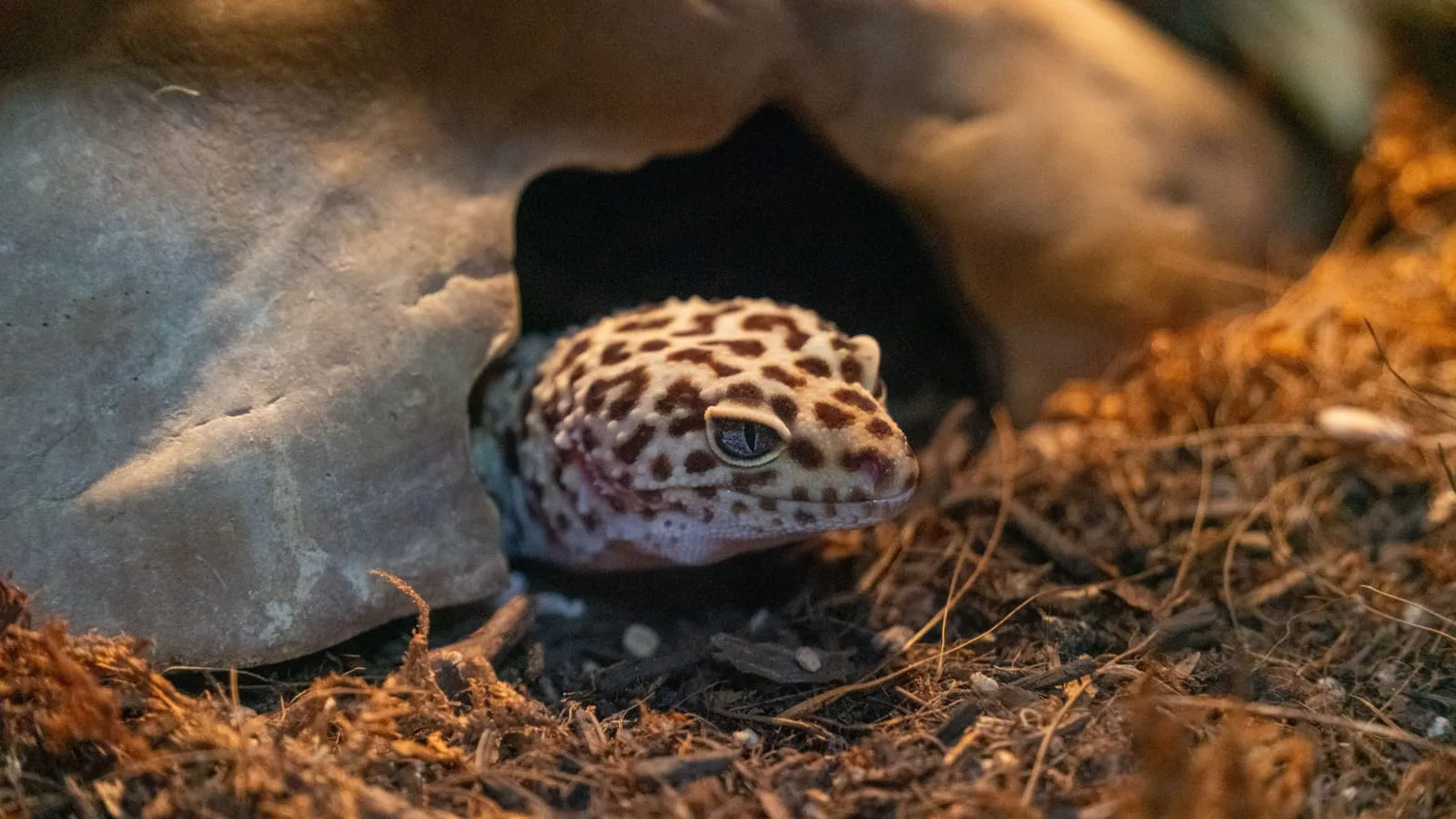
Species raised fast on insect-heavy diets — bearded dragons, chameleons, and growing juveniles of most species — are at the highest risk. Leopard geckos are not exempt: kept without UVB and without dietary D3, they get there too, just more slowly.
Warning signs to catch early
MBD is far easier to prevent than to reverse, so learn to spot it early:
- Tremors, twitching, or jerky movements.
- A soft, swollen, or “rubbery” lower jaw.
- Swollen, bowed, or bent limbs; a kinked spine.
- Reluctance to walk, climb, or bear weight.
- Lethargy, loss of appetite, and easy fractures.
- In turtles and tortoises: a soft shell or pronounced pyramiding.
Any of these warrants a visit to an exotics vet — not a wait-and-see.
How to prevent it
Prevention is almost entirely about husbandry:
- Provide proper UVB — a quality T5 HO tube, mounted at the right distance with no glass between it and the animal, replaced yearly. Manufacturers publish the mounting distances their bulbs are tested at (Arcadia and Zoo Med both do); use those figures rather than guessing, and match the strength to the species — a desert basker and a crepuscular gecko need very different output.
- Dust feeders with calcium at most feedings, and add a vitamin/D3 supplement on the schedule your species needs.
- Feed a balanced, species-appropriate diet and gut-load insects before offering them.
- Hit the right temperatures so digestion and metabolism actually work.
- Get growing animals checked by a vet — early bloodwork catches deficiencies before they show.
Treatment
Caught early, MBD is often treatable. A vet may prescribe oral or injectable calcium and D3, correct the underlying husbandry, and provide supportive care while the animal stabilises. Recovery is slow, and severe skeletal deformities may never fully resolve — which is exactly why prevention is the whole game.
Stay ahead of it
MBD develops quietly over weeks and months, so the keepers who avoid it are the ones tracking the small stuff: when the UVB bulb was last changed, whether weight is trending the right way, how consistent feeding and supplementation have been. Logging that in LizardBox — with a reminder for the annual UVB swap — turns “I think it’s fine” into something you can actually see.
This guide is husbandry information, not veterinary advice. If you suspect MBD in an animal, book an exotics vet — bloodwork and radiographs are the only way to know how far it has gone.